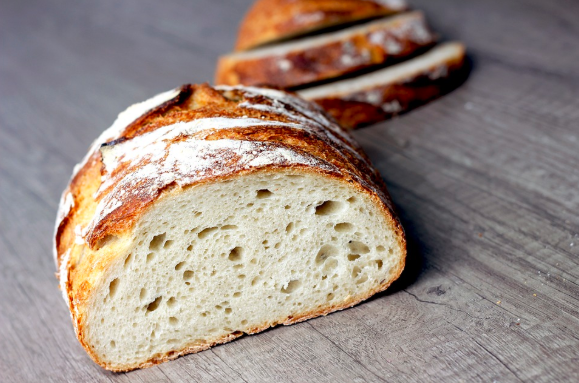
Sourdough Sandwich Bread — Complete Step-by-Step Guide
Sourdough sandwich bread is the perfect balance between traditional artisan sourdough and soft, everyday sandwich bread. Unlike crusty sourdough loaves, this version is soft, sliceable, and slightly tangy, making it ideal for sandwiches, toast, and even breakfast spreads.
This detailed guide walks you through every step—from preparing your starter to baking the perfect loaf—along with tips, FAQs, and expert techniques to ensure consistent success.
Preparation Time & Serving Size
- Preparation Time: 25–30 minutes (active work)
- Fermentation Time: 6–10 hours (depends on temperature)
- Proofing Time: 2–4 hours
- Baking Time: 30–35 minutes
- Total Time: Approximately 10–14 hours
- Serving Size: 1 loaf (10–12 slices)
- Storage: 3–4 days at room temperature (airtight), up to 1 week refrigerated
Ingredients You Will Need
For the Dough:
- 3 cups (360g) all-purpose flour or bread flour
- 1 cup (240ml) active sourdough starter
- ¾ cup (180ml) warm water
- 2 tablespoons sugar or honey
- 2 tablespoons butter or oil
- 1 teaspoon salt
Optional Ingredients (for softer texture):
- 2 tablespoons milk
- 1 tablespoon powdered milk
- 1 tablespoon olive oil (extra softness)
Understanding the Key Ingredient: Sourdough Starter
Your sourdough starter is a natural ferment made from flour and water. It contains wild yeast and beneficial bacteria that help the bread rise and develop flavor.
Before starting:
- Make sure your starter is active and bubbly
- Feed it 4–6 hours before use
- It should double in size and have a slightly tangy smell
Step-by-Step Method
Step 1: Mix the Dough
- In a large bowl, add sourdough starter and warm water.
- Stir until the starter dissolves.
- Add sugar (or honey), butter, and milk (if using).
- Gradually add flour and mix until a rough dough forms.
- Add salt and combine.
You should have a soft, slightly sticky dough.
Step 2: Knead the Dough
- Transfer dough to a clean surface.
- Knead for 8–10 minutes until smooth and elastic.
Alternative method:
- Use a stand mixer with a dough hook for 5–6 minutes.
Tip: Proper kneading develops gluten, which gives bread structure and softness.
Step 3: First Rise (Bulk Fermentation)
- Place dough in a lightly greased bowl.
- Cover with a cloth or plastic wrap.
- Let it rest at room temperature for 6–10 hours.
The dough should:
- Increase in size (not necessarily double)
- Feel airy and soft
Tip: Warmer environments speed up fermentation.
Step 4: Shape the Dough
- Transfer dough to a lightly floured surface.
- Gently flatten into a rectangle.
- Roll it tightly into a log shape.
- Pinch seams to seal.
This step helps create a uniform sandwich loaf.
Step 5: Second Rise (Proofing)
- Place shaped dough into a greased loaf pan.
- Cover and let it rise for 2–4 hours.
The dough should rise slightly above the edge of the pan.
Step 6: Bake the Bread
- Preheat oven to 180°C (350°F).
- Bake for 30–35 minutes.
- The top should turn golden brown.
Optional:
- Brush top with butter after baking for a soft crust.
Step 7: Cool Before Slicing
- Remove bread from pan.
- Let it cool completely on a rack (at least 1 hour).
Important: Cutting too early can make the bread gummy.
Why This Recipe Is Special
Soft Yet Traditional
Unlike rustic sourdough, this bread is:
- Soft
- Easy to slice
- Perfect for sandwiches
Naturally Fermented
No commercial yeast required—only natural fermentation.
Better Flavor
Slow fermentation develops:
- Mild tanginess
- Deep, rich flavor
Health Benefits
Sourdough is easier to digest and may improve nutrient absorption.
Extra Tips for Better Taste
Use Active Starter
A weak starter will result in dense bread.
Control Fermentation Time
- Longer fermentation = stronger sour flavor
- Shorter fermentation = milder taste
Add Milk or Butter
These ingredients make the bread softer and richer.
Do Not Overproof
Overproofed dough collapses and becomes dense.
Use Bread Flour
Bread flour gives better structure than all-purpose flour.
Steam for Better Crust
Place a small pan of water in the oven while baking for improved texture.
Nutrition Details (Approximate per Slice)
- Calories: 120–150 kcal
- Carbohydrates: 22–26g
- Protein: 3–5g
- Fat: 2–4g
- Fiber: 1–2g
Note: Values vary depending on ingredients used.
Frequently Asked Questions (FAQs)
What if my dough doesn’t rise?
Possible reasons:
- Starter is inactive
- Room temperature is too cold
Solution:
- Place dough in a warm area
Can I use whole wheat flour?
Yes, but:
- Replace only 25–50% of the flour
- Whole wheat makes bread denser
Why is my bread dense?
- Under-kneading
- Weak starter
- Insufficient fermentation
Can I refrigerate the dough overnight?
Yes:
- This improves flavor
- Let it come to room temperature before baking
How do I store sourdough bread?
- Room temperature: 3–4 days
- Refrigerated: up to 1 week
- Frozen: up to 2 months
Can I make it sweeter?
Yes:
- Add more sugar or honey
Why is my bread too sour?
- Fermented too long
- Starter too acidic
Can I make it without butter?
Yes, substitute with oil or skip entirely.
Serving Ideas
Sandwiches
Perfect for:
- Chicken sandwiches
- Egg sandwiches
- Vegetable sandwiches
Toast
Serve with:
- Butter
- Jam
- Peanut butter
French Toast
Use slightly stale slices for best results.
Garlic Bread
Add garlic butter and toast lightly.
Creative Variations
Milk Sourdough Bread
Add extra milk for softer texture.
Honey Wheat Version
Replace some flour with whole wheat and use honey.
Seeded Bread
Add:
- Sesame seeds
- Sunflower seeds
- Flaxseeds
Herb Bread
Add dried herbs like oregano or thyme.
Cheesy Bread
Mix in grated cheese for flavor.
Common Mistakes to Avoid
- Using inactive starter
- Skipping kneading
- Overproofing dough
- Cutting bread too early
- Using too much flour (makes bread dry)
Advanced Tips
- Use a thermometer: internal bread temp should be ~90°C (195°F)
- Score the top slightly for controlled expansion
- Brush with milk before baking for a softer crust
- Use a kitchen scale for accuracy
Final Thoughts
Sourdough sandwich bread is a rewarding recipe that combines the traditional benefits of sourdough with the softness needed for everyday use. While it requires patience due to fermentation time, the process itself is simple and highly satisfying.
Once you get comfortable with your starter and timing, this bread can easily become a regular part of your kitchen routine. It’s healthier, more flavorful, and far more customizable than store-bought bread.
With practice, you’ll be able to adjust flavor, texture, and softness exactly to your liking—creating a loaf that suits your personal taste perfectly.