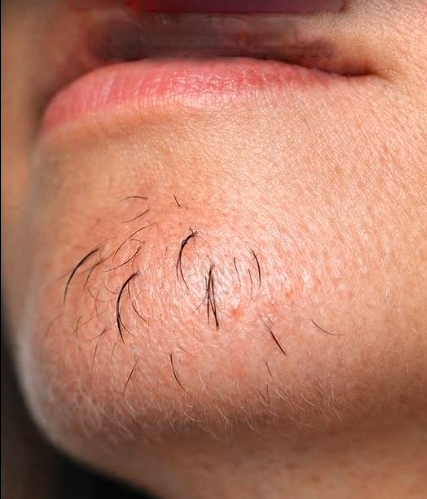
🌿 Why Do Women Get Chin Hair? Causes Explained
Noticing hair growth on the chin can feel surprising or even concerning, especially if it appears suddenly or becomes more noticeable over time. The truth is, facial hair in women is more common than many people think, and in most cases, it’s completely normal.
However, there are also situations where chin hair growth may be linked to hormonal or medical factors. Understanding the possible causes can help you decide whether it’s simply a natural variation—or something worth discussing with a doctor.
🧠 Is Chin Hair in Women Normal?
Yes, to a certain extent.
All women have fine facial hair (often called “peach fuzz”), but in some cases:
- Hair may become thicker or darker
- Growth may be more visible on the chin, upper lip, or jawline
👉 This can happen naturally due to genetics or hormonal changes.
🔍 Common Causes of Chin Hair in Women
🧬 1. Hormonal Imbalance
One of the most common reasons for noticeable chin hair is an increase in androgens—hormones often referred to as “male hormones,” though they are present in both men and women.
When androgen levels rise:
- Hair may grow thicker and darker
- Growth may appear in areas like the chin or jaw
🩺 2. Polycystic Ovary Syndrome (PCOS)
PCOS is a common hormonal condition that can cause:
- Irregular menstrual cycles
- Acne
- Weight changes
- Excess facial or body hair (called hirsutism)
👉 Chin hair is often one of the noticeable signs.
👵 3. Aging and Menopause
As women age—especially during menopause:
- Estrogen levels decrease
- The balance between hormones shifts
This can lead to:
- Thicker or more visible facial hair
- Slower hair growth on the scalp
👉 It’s a natural part of aging for many women.
🧬 4. Genetics
Family history plays a big role.
If women in your family have noticeable facial hair, you’re more likely to experience it too.
👉 This is especially common in certain ethnic backgrounds and is usually not a medical concern.
💊 5. Medications
Some medications may influence hormone levels and trigger hair growth, including:
- Steroids
- Hormonal treatments
- Certain medications that affect endocrine balance
⚖️ 6. Weight and Insulin Resistance
Higher body weight can sometimes affect hormone regulation.
- Increased insulin levels may lead to higher androgen production
- This can contribute to facial hair growth
👉 This is often linked with conditions like PCOS.
🧠 7. Rare Medical Conditions
In less common cases, excessive facial hair may be related to conditions such as:
- Adrenal gland disorders
- Hormone-producing tumors
👉 These are rare but may be considered if symptoms are severe or sudden.
⚠️ When Should You Be Concerned?
Chin hair is usually harmless, but you may want to seek medical advice if you notice:
- Sudden or rapid hair growth
- Thick, coarse hair appearing quickly
- Irregular periods
- Acne or deepening voice
- Hair growth in multiple unusual areas
These may indicate an underlying hormonal issue.
🧩 How Can Chin Hair Be Managed?
If chin hair bothers you, there are several options depending on the cause and your preference:
Temporary Methods
- Tweezing
- Waxing
- Threading
- Shaving (safe if done properly)
Longer-Term Options
- Laser hair removal
- Electrolysis
Medical Treatments
- Hormonal therapy (if needed)
- Medications to reduce androgen effects
👉 A doctor can help determine the best option if the cause is hormonal.
🧠 Helpful Tips
- Avoid over-plucking, which can irritate skin
- Maintain a balanced diet and healthy lifestyle
- Track any changes in hair growth over time
- Don’t panic—many cases are completely normal
❓ Frequently Asked Questions
Is chin hair a sign of a serious problem?
Not usually. It’s often due to normal hormonal or genetic factors.
Does shaving make chin hair thicker?
No. Shaving does not change hair thickness—it only affects how it feels as it grows back.
Can stress cause chin hair?
Stress can influence hormones indirectly, which may contribute in some cases.
Can chin hair go away on its own?
If it’s hormone-related, it may persist. If temporary (like stress-related), it may improve.
Is it okay to remove chin hair regularly?
Yes. Many women safely manage facial hair using regular grooming methods.
✅ Final Thoughts
Chin hair in women is more common than it may seem and is often a natural part of hormonal changes, genetics, or aging. While it can sometimes signal an underlying condition, most cases are harmless.
The key is understanding your body. If the changes feel unusual or come with other symptoms, it’s worth seeking medical advice. Otherwise, it’s simply another variation of normal—and something that can be managed in a way that feels right for you.