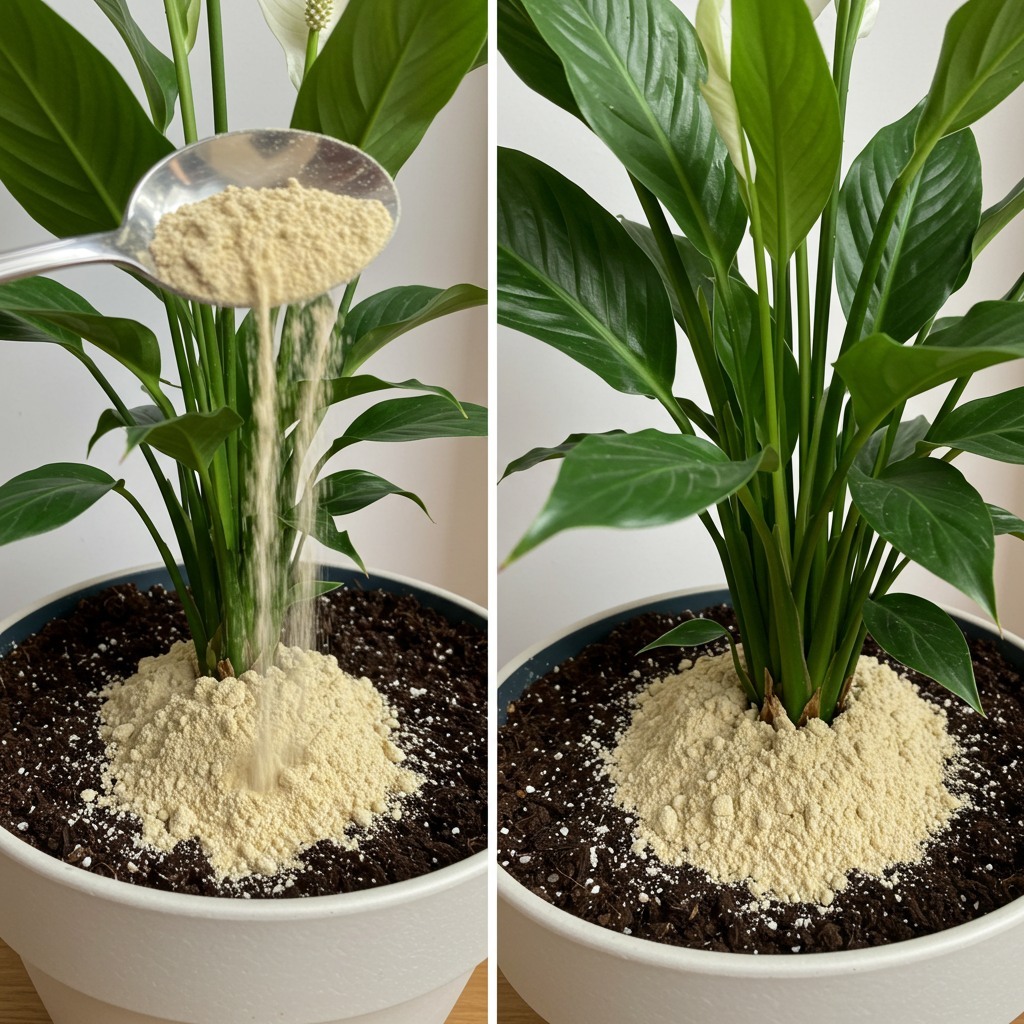
Simple Tips for Healthy Peace Lily Flowers: The Complete Care Guide for Thriving Indoor Plants
Peace lilies are among the most loved indoor plants in the world, and for good reason. Their elegant white flowers, glossy green leaves, and easy-going nature make them a favorite choice for homes, offices, and apartments. Whether you are a beginner plant owner or an experienced indoor gardener, learning the right way to care for peace lily flowers can help your plant stay healthy, vibrant, and beautiful throughout the year.
In this complete guide, you will discover simple yet effective tips for growing healthy peace lily flowers, including watering advice, lighting needs, soil recommendations, humidity requirements, fertilizing methods, and solutions to common problems. By following these easy care techniques, your peace lily can flourish and continue producing stunning blooms for years.
What Is a Peace Lily?
The peace lily is a tropical flowering plant known for its lush foliage and graceful white blooms. Despite its name, it is not a true lily. It belongs to the Araceae family and is popular as a decorative indoor plant because of its low-maintenance nature and air-purifying qualities.
Peace lilies thrive indoors because they adapt well to lower light conditions and average household temperatures. Their flowers, which are actually specialized leaf structures called spathes, can last for several weeks when the plant is properly cared for.
Why Peace Lilies Are Popular Indoor Plants
There are many reasons why peace lilies are commonly found in homes and workplaces:
- Attractive green leaves and elegant white flowers
- Easy care requirements
- Ability to tolerate indoor conditions
- Air-purifying properties
- Long-lasting blooms
- Suitable for small spaces and apartments
With proper care, peace lilies can become a long-term decorative feature that brightens any indoor environment.
1. Provide the Right Amount of Light
One of the most important tips for healthy peace lily flowers is giving the plant the correct lighting conditions.
Best Light for Peace Lilies
Peace lilies prefer:
- Bright indirect sunlight
- Filtered natural light
- Moderate indoor lighting
Avoid placing your peace lily in direct sunlight because intense rays can scorch the leaves and damage the flowers.
Signs Your Peace Lily Needs More Light
If your plant is not blooming or the leaves appear weak, it may need slightly brighter light. Move it closer to a window with indirect sunlight.
Signs of Too Much Light
Excessive sunlight can cause:
- Brown leaf tips
- Yellowing leaves
- Burn marks
- Wilting flowers
East-facing windows are usually ideal because they provide gentle morning sunlight.
2. Water Your Peace Lily Properly
Watering mistakes are one of the biggest reasons peace lilies struggle indoors. Fortunately, these plants often give clear signals when they need water.
How Often Should You Water a Peace Lily?
Generally, peace lilies should be watered:
- About once a week
- More frequently during warm weather
- Less often during winter
The soil should remain lightly moist but never soggy.
Check the Soil Before Watering
Insert your finger about one inch into the soil. If the top layer feels dry, it is time to water.
Use Filtered or Room-Temperature Water
Peace lilies can be sensitive to chemicals found in tap water, especially chlorine and fluoride. Filtered water or distilled water often works best.
Avoid Overwatering
Too much water can lead to:
- Root rot
- Yellow leaves
- Mold growth
- Drooping foliage
Always use pots with drainage holes to prevent standing water.
3. Maintain Proper Humidity Levels
Peace lilies are tropical plants, meaning they naturally enjoy humid conditions.
Ideal Humidity for Peace Lilies
These plants prefer humidity levels around:
- 50% to 60%
Indoor heating and air conditioning can dry out the air, especially during winter.
Easy Ways to Increase Humidity
You can improve humidity by:
- Misting the leaves occasionally
- Using a pebble tray with water
- Placing a humidifier nearby
- Grouping plants together
Higher humidity helps keep the leaves glossy and supports healthier flowering.
4. Choose the Best Soil for Healthy Growth
The right soil helps peace lilies absorb nutrients while preventing root problems.
Best Soil Type
Peace lilies grow best in:
- Well-draining potting mix
- Loose and airy soil
- Organic-rich soil blends
A quality indoor plant mix containing peat moss, coconut coir, or perlite usually works very well.
Avoid Heavy Soil
Dense or compact soil can trap excess moisture and suffocate the roots.
Good drainage is essential for healthy flowers and foliage.
5. Keep Your Peace Lily at the Right Temperature
Peace lilies thrive in normal indoor temperatures.
Ideal Temperature Range
The best temperature range is:
- 65°F to 85°F (18°C to 29°C)
Protect from Temperature Stress
Avoid placing your plant near:
- Air conditioners
- Heating vents
- Drafty windows
- Cold doors
Sudden temperature changes can shock the plant and reduce blooming.
6. Fertilize for Better Flowers
Proper feeding encourages lush leaves and beautiful blooms.
How Often to Fertilize
Feed your peace lily:
- Every 6 to 8 weeks during spring and summer
- Less often during fall and winter
Best Fertilizer for Peace Lilies
Use:
- Balanced liquid houseplant fertilizer
- Mild fertilizer diluted to half strength
Too much fertilizer can burn the roots and damage the leaves.
Signs of Over-Fertilizing
Watch for:
- Brown leaf edges
- White crust on soil
- Weak growth
Moderate feeding is better than excessive fertilizer use.
7. Repot Your Peace Lily When Needed
Peace lilies eventually outgrow their containers and may become root-bound.
Signs It Is Time to Repot
You may notice:
- Roots growing through drainage holes
- Soil drying too quickly
- Slower growth
- Smaller flowers
Best Time to Repot
Spring is usually the ideal season for repotting because the plant enters active growth.
Choose the Right Pot
Select a pot:
- One to two inches larger than the current container
- With proper drainage holes
Avoid using oversized pots because excess soil can retain too much moisture.
8. Clean the Leaves Regularly
Dust can collect on peace lily leaves over time and reduce their ability to absorb light.
Simple Cleaning Method
Use:
- A soft damp cloth
- Lukewarm water
Gently wipe both sides of the leaves every few weeks.
Benefits of Cleaning
Clean leaves help:
- Improve photosynthesis
- Maintain healthy growth
- Enhance appearance
- Reduce pests
Shiny, dust-free leaves also make the plant look far more attractive indoors.
9. Remove Dead Flowers and Yellow Leaves
Pruning helps your peace lily stay healthy and encourages new growth.
How to Deadhead Peace Lily Flowers
When flowers turn brown or green:
- Cut the flower stem near the base
Removing old blooms allows the plant to focus energy on producing fresh flowers.
Trim Damaged Leaves
Use clean scissors to remove:
- Yellow leaves
- Brown tips
- Diseased foliage
Regular pruning keeps the plant neat and healthy.
10. Prevent Common Peace Lily Problems
Although peace lilies are fairly easy to care for, they can sometimes experience issues.
Yellow Leaves
Possible causes include:
- Overwatering
- Poor drainage
- Too much sunlight
Adjust watering habits and lighting conditions accordingly.
Brown Leaf Tips
Brown tips may result from:
- Low humidity
- Tap water chemicals
- Excess fertilizer
Increase humidity and switch to filtered water if necessary.
Drooping Leaves
Drooping usually means:
- The plant needs water
- Roots are stressed
Water thoroughly if the soil feels dry.
No Flowers
If your peace lily is not blooming, it may need:
- More indirect light
- Better fertilization
- Repotting
Healthy mature plants typically bloom once or twice each year.
11. Protect Peace Lilies from Pests
Indoor plants occasionally attract pests, especially in warm environments.
Common Peace Lily Pests
Watch for:
- Spider mites
- Mealybugs
- Fungus gnats
- Aphids
Natural Pest Prevention Tips
To reduce infestations:
- Keep leaves clean
- Avoid overwatering
- Improve air circulation
- Inspect plants regularly
Safe Treatment Options
Use:
- Insecticidal soap
- Neem oil spray
- Gentle leaf washing
Early treatment prevents serious damage.
12. Encourage More Peace Lily Flowers
Many plant owners want their peace lily to bloom more frequently.
Blooming Tips
To encourage flowering:
- Provide brighter indirect light
- Feed regularly during growing season
- Maintain stable temperatures
- Avoid stress from underwatering
Patience is important because some peace lilies bloom naturally during specific seasons.
13. Understand Seasonal Care Changes
Peace lily care may vary slightly throughout the year.
Spring and Summer Care
During active growth:
- Water more often
- Fertilize regularly
- Monitor humidity
Fall and Winter Care
In cooler months:
- Reduce watering frequency
- Stop heavy fertilizing
- Protect from cold drafts
Seasonal adjustments help maintain long-term plant health.
14. Best Placement Ideas for Peace Lilies
Choosing the right location can dramatically improve your plant’s health.
Ideal Indoor Locations
Good spots include:
- Living rooms with filtered sunlight
- Bedrooms near bright windows
- Office desks with indirect light
- Bathrooms with humidity
Places to Avoid
Do not place peace lilies in:
- Harsh direct sun
- Dark corners
- Freezing rooms
- Areas with strong airflow
Balanced indoor conditions are key to healthy flowers.
15. Benefits of Growing Peace Lilies Indoors
Peace lilies offer more than just beauty.
Air Purification
They may help improve indoor air quality by filtering certain airborne pollutants.
Stress Reduction
Indoor greenery often creates a calming atmosphere and enhances relaxation.
Decorative Appeal
Peace lilies complement:
- Modern interiors
- Minimalist spaces
- Offices
- Small apartments
Their elegant flowers add sophistication to any room.
16. Can Peace Lilies Grow Outdoors?
In warm climates, peace lilies can sometimes grow outside.
Outdoor Requirements
They need:
- Shade or partial shade
- Warm temperatures
- High humidity
- Moist soil
Protect from Direct Sun
Outdoor peace lilies can burn quickly in strong sunlight.
In colder regions, they should remain indoor plants year-round.
17. How Long Do Peace Lily Flowers Last?
Healthy blooms can remain attractive for several weeks.
Flower Lifespan
Most flowers last:
- One to two months under ideal conditions
The flowers often begin white and slowly turn green as they age.
Removing old flowers helps maintain a tidy appearance.
18. Are Peace Lilies Safe for Pets?
Peace lilies contain compounds that can irritate pets if chewed or eaten.
Keep Away from Pets
Cats and dogs may experience:
- Mouth irritation
- Drooling
- Vomiting
Place the plant in a secure area if you have curious animals or small children.
19. Common Mistakes to Avoid
Even simple mistakes can affect peace lily health.
Avoid These Errors
- Overwatering constantly
- Using poor-draining soil
- Exposing to direct sunlight
- Ignoring humidity
- Over-fertilizing
- Leaving roots in standing water
Small corrections often lead to noticeable improvements.
20. Final Thoughts on Healthy Peace Lily Flowers
Peace lilies are among the easiest and most rewarding indoor plants to grow. Their graceful white flowers and lush green leaves can brighten almost any indoor space when given proper care.
The key to healthy peace lily flowers is consistency. Provide moderate indirect light, water carefully, maintain humidity, and use well-draining soil. Simple habits like cleaning leaves, trimming old blooms, and avoiding overwatering can make a huge difference in the plant’s overall health.
Whether you are caring for your very first peace lily or expanding your indoor plant collection, these practical tips will help your plant stay strong, vibrant, and full of beautiful blooms year after year.
By understanding your peace lily’s needs and responding to its signals, you can enjoy a thriving indoor plant that adds freshness, elegance, and natural beauty to your home.