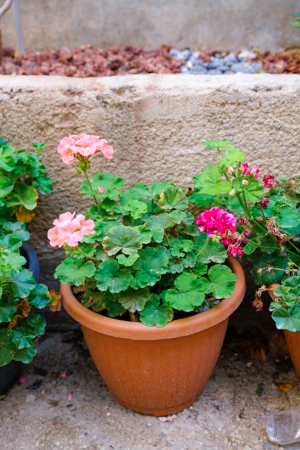
How to Care for Geraniums for More Flowers and Healthy Growth
Geraniums are one of the most popular flowering plants, known for their bright colors and long blooming season. They are relatively easy to grow, but if your plants are not producing as many flowers as expected, the issue often lies in the care routine.
With the right approach, you can encourage continuous blooming, stronger roots, and healthier foliage. This guide explains how to care for geraniums properly so they thrive throughout the growing season.
Understanding Geranium Care Basics
Geraniums perform best when their essential needs are met consistently. These include:
- Adequate sunlight
- Proper watering
- Well-draining soil
- Regular pruning
- Balanced feeding
When any of these factors are out of balance, flowering may decrease and growth can become weak or uneven.
Provide Enough Sunlight
Sunlight is one of the most important factors for healthy geraniums.
Geraniums need at least 6 to 8 hours of direct sunlight daily. Without sufficient light, plants may become leggy and produce fewer flowers.
If you are growing geraniums indoors, place them near a bright window where they can receive maximum sunlight exposure.
Water Properly
Overwatering is one of the most common mistakes in geranium care.
Water the plant only when the top 1 to 2 inches of soil feel dry. Geraniums prefer slightly dry conditions between watering rather than constantly moist soil.
Signs of overwatering include yellow leaves, soft stems, and root rot. On the other hand, underwatering may cause drooping and dry soil.
Use Well-Draining Soil
Geraniums require soil that drains well to prevent excess moisture around the roots.
A light, airy potting mix is ideal. Heavy or compact soil can trap water and lead to root problems.
Good drainage supports healthy root development and reduces the risk of disease.
Choose the Right Pot
If growing geraniums in containers, always use pots with drainage holes. This allows excess water to escape and prevents waterlogging.
Avoid using pots that are too large, as overly spacious containers can hold extra moisture. Slightly root-bound plants often produce more flowers.
Prune Regularly
Pruning helps maintain the plant’s shape and encourages new growth.
Remove dead, yellow, or damaged leaves. Trim long, leggy stems to promote a fuller, bushier plant.
Regular pruning helps redirect energy toward flower production instead of maintaining weak growth.
Deadhead Spent Flowers
Deadheading is the process of removing faded blooms.
By removing old flowers, the plant can focus its energy on producing new ones instead of forming seeds.
This simple step can significantly increase the number of blooms over time.
Feed for Better Flowering
Geraniums benefit from regular feeding during their active growing period.
Use a balanced liquid fertilizer every 2 to 3 weeks. Avoid over-fertilizing, as too much nitrogen can lead to excessive leaf growth and fewer flowers.
Consistent feeding supports both plant health and bloom production.
Protect from Extreme Conditions
Geraniums prefer moderate temperatures.
Frost can damage or kill the plant, while extreme heat can reduce flowering and cause stress. If necessary, move potted plants to a more suitable location during harsh weather.
Ensure Good Air Circulation
Proper airflow helps prevent fungal diseases and keeps plants healthy.
Avoid overcrowding and allow enough space between plants. When watering, try to keep leaves dry to reduce the risk of disease.
Extra Tips for More Flowers
- Allow the soil to dry slightly between watering
- Rotate pots for even sunlight exposure
- Remove weak or damaged growth regularly
- Keep the plant area clean
These small adjustments can make a noticeable difference in overall plant performance.
Common Mistakes to Avoid
- Overwatering
- Insufficient sunlight
- Poor drainage
- Skipping pruning
- Overuse of fertilizer
Correcting these mistakes can quickly improve plant health and increase flowering.
Frequently Asked Questions
Why are my geraniums not flowering?
The most common reasons include lack of sunlight, overwatering, or excessive fertilizer use.
How often should I water geraniums?
Water only when the top layer of soil feels dry. Avoid watering on a fixed daily schedule.
Can geraniums grow indoors?
Yes, but they require bright light to thrive and produce flowers.
Do geraniums need pruning?
Yes, regular pruning helps maintain shape and encourages more blooms.
How long do geraniums bloom?
With proper care, geraniums can bloom continuously during the growing season.
SEO Keywords Included
- geranium care guide
- how to grow geraniums
- geranium watering tips
- how to get more flowers on geraniums
- geranium plant care
Final Thoughts
Geraniums are easy to care for when you understand their basic needs. The key to abundant flowers and healthy growth lies in maintaining the right balance of sunlight, water, soil, and maintenance.
With consistent care and attention, your geraniums can produce vibrant blooms and remain strong throughout the season.