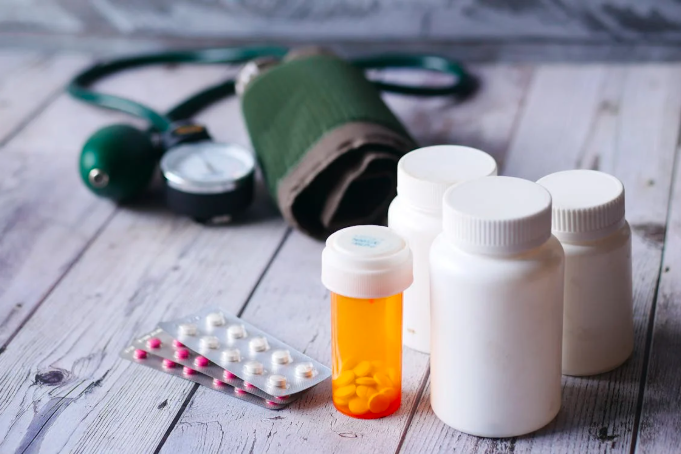
Recall Issued for Certain Blood Pressure Medication Bottles: What Patients Need to Know
Health authorities have announced a recall involving specific bottles of blood pressure medication after concerns were raised about packaging and contamination issues. Patients who take prescription medicines for hypertension are being urged to check their medication labels and lot numbers carefully to determine whether their products are affected.
The recall comes as regulators continue to monitor manufacturing quality standards to protect consumers from potential health risks linked to incorrectly packaged or contaminated medications.
Why the Blood Pressure Medication Was Recalled
According to recent safety notices, some recalled blood pressure medications may contain the wrong tablets, incorrect dosage strengths, or traces of another medication due to manufacturing or packaging errors. In certain cases, bottles labeled as one medication were found to contain different tablets entirely.
Health officials say these issues could potentially lead to:
- Incorrect dosing
- Reduced effectiveness in controlling blood pressure
- Unexpected side effects
- Dangerous spikes or drops in blood pressure
Although several recalls have been classified as precautionary measures, authorities are advising patients to take the warnings seriously.
Medications Included in Recent Recalls
Several blood pressure medications have recently been subject to recalls in different countries. Some of the affected products include:
- Ramipril capsules due to packaging mix-ups
- Amlodipine tablets after reports of incorrect tablets in bottles
- Bisoprolol and hydrochlorothiazide tablets over possible contamination concerns
- Prazosin hydrochloride capsules linked to elevated levels of potentially harmful impurities
The exact products, batch numbers, and expiration dates vary depending on the manufacturer and country.
What Patients Should Do Immediately
If you take medication for high blood pressure, experts recommend the following steps:
1. Check Your Medication Bottle
Look for:
- Drug name
- Dosage strength
- Batch or lot number
- Expiration date
Compare these details with the official recall notice from your pharmacy, healthcare provider, or national drug safety authority.
2. Inspect the Tablets Carefully
Patients are encouraged to examine the appearance of their tablets. If the pills look different than usual in terms of color, shape, markings, or size, stop using the medication and contact a pharmacist immediately.
3. Do Not Stop Medication Abruptly Without Medical Advice
Suddenly discontinuing blood pressure medication may increase the risk of:
- Stroke
- Heart attack
- Severe hypertension
- Chest pain
Healthcare professionals advise patients to speak with a doctor or pharmacist before making any changes to treatment.
4. Return Recalled Products
Most recalls instruct consumers to return affected bottles to the pharmacy where they were purchased. Replacement medication may be provided depending on local policies.
Potential Health Risks Linked to the Recall
The level of risk depends on the specific recall issue involved.
For example:
- Taking a lower-than-prescribed dose may reduce blood pressure control over time.
- Receiving the wrong medication could trigger unexpected reactions.
- Exposure to contamination may pose health concerns if used for extended periods.
Regulators have noted that many recalls are precautionary and that serious injuries are considered unlikely in some cases. However, patients with heart disease, kidney conditions, or unstable blood pressure should remain especially cautious.
How Medication Recalls Are Handled
Drug recalls are typically initiated after:
- Consumer complaints
- Routine manufacturing inspections
- Laboratory testing
- Reports from pharmacies or healthcare providers
Once a potential issue is identified, manufacturers work with regulatory agencies to remove affected products from pharmacies and distribution centers.
Authorities may classify recalls into different categories depending on the severity of the risk.
Tips to Stay Safe During a Medication Recall
To reduce risks during any prescription drug recall, consumers should:
- Keep medications in original packaging
- Regularly review safety alerts from health authorities
- Use one pharmacy consistently when possible
- Ask pharmacists about generic substitutions
- Never take medication that appears unusual or damaged
Patients should also maintain an updated list of prescriptions and dosages for emergency situations.
Final Thoughts
The recent recall involving certain blood pressure medication bottles highlights the importance of pharmaceutical quality control and patient awareness. While many recalls are issued as a precaution, checking medication labels and consulting healthcare professionals promptly can help prevent complications.
Anyone who believes they may have an affected medication bottle should contact their pharmacist or healthcare provider as soon as possible for guidance and replacement options.