Nail Health Warning Signs: What Lines on Your Nails Might Mean
Your nails can reveal more about your health than you might expect. While they’re often associated with grooming and beauty, nails can also act as subtle indicators of underlying conditions. One of the most common concerns people notice is the appearance of lines or ridges on their nails. But what do these lines actually mean?
In this guide, we’ll break down the different types of nail lines, what causes them, and when you should consider seeking medical advice.
Understanding Nail Structure
Before diving into nail lines, it helps to understand the basics. Nails are made of keratin, a protein that also forms your hair and the outer layer of your skin. Healthy nails are typically smooth, evenly colored, and free of unusual marks or indentations.
When something disrupts nail growth—whether it’s aging, injury, or a health condition—it can show up as lines or ridges.
Common Types of Nail Lines and What They Mean
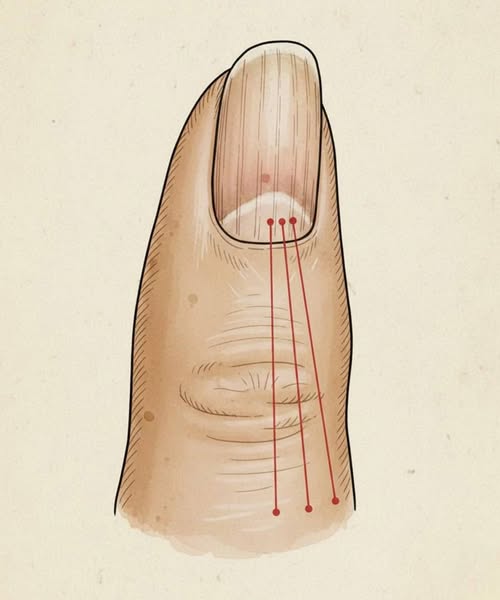
1. Vertical Ridges (Longitudinal Lines)
Vertical ridges run from the base of the nail (cuticle) to the tip. These are very common and usually harmless.
Possible causes:
- Natural aging process
- Mild dehydration
- Minor nutrient deficiencies
What to do:
Keep your nails moisturized and maintain a balanced diet. In most cases, these ridges are not a cause for concern.
2. Horizontal Lines (Beau’s Lines)
Horizontal indentations across the nail are known as Beau’s lines. Unlike vertical ridges, these may signal a temporary interruption in nail growth.
Possible causes:
- Severe illness or high fever
- Physical trauma to the nail
- Nutritional deficiencies
- Stress or major life events
What to do:
If you notice deep or recurring horizontal lines, it’s worth consulting a healthcare professional, especially if they appear on multiple nails.
3. White Lines or Spots
White streaks or spots on nails are often harmless and commonly misunderstood.
Possible causes:
- Minor nail injuries
- Allergic reactions (e.g., nail polish)
- Zinc deficiency (less common)
What to do:
These usually grow out on their own. However, persistent or widespread discoloration may need evaluation.
4. Dark Lines (Black or Brown Streaks)
Dark vertical lines can be more serious, especially if they appear suddenly or change over time.
Possible causes:
- Pigment changes
- Injury
- Certain medications
- Rarely, skin cancer (such as melanoma under the nail)
What to do:
Seek medical attention immediately if the line is dark, irregular, or widening.
5. Deep Grooves or Splitting
Some nails develop deep grooves or begin to split along ridges.
Possible causes:
- Vitamin deficiencies (like biotin or iron)
- Frequent exposure to water or chemicals
- Underlying skin conditions (e.g., eczema)
What to do:
Protect your hands, avoid harsh chemicals, and consider dietary improvements.
When Should You Be Concerned?
While many nail lines are harmless, certain signs shouldn’t be ignored:
- Sudden appearance of dark streaks
- Pain or swelling around the nail
- Changes in nail shape or thickness
- Lines accompanied by fatigue or other health symptoms
If you notice any of these, it’s best to consult a qualified healthcare provider for proper diagnosis.
Tips for Maintaining Healthy Nails
Keeping your nails healthy can reduce the chances of abnormal lines forming:
- Eat a nutrient-rich diet (include protein, vitamins, and minerals)
- Stay hydrated
- Avoid excessive use of harsh nail products
- Keep nails clean and trimmed
- Moisturize regularly
Final Thoughts
Lines on your nails are often harmless, but they can sometimes point to deeper health issues. Paying attention to these subtle changes can help you catch potential problems early.
If something doesn’t look or feel right, don’t ignore it—your nails might be trying to tell you something important.