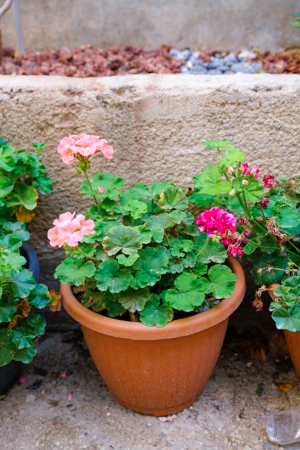
🌺 How to Water Geraniums for More Flowers and Healthy Growth
Geraniums are loved for their vibrant blooms and easy-care nature—but if they’re not flowering as much as expected, watering could be the reason.
Many gardeners assume more water means better growth. In reality, geraniums prefer a balanced approach, and overwatering is one of the most common mistakes.
In this guide, you’ll learn how to water geraniums correctly to encourage more flowers, stronger roots, and healthier plants.
🌿 Why Proper Watering Matters
Water plays a key role in:
- Nutrient absorption
- Root health
- Flower production
Too much or too little water can stress the plant, leading to:
- Fewer blooms
- Yellowing leaves
- Weak growth
👉 Getting the watering routine right can significantly improve flowering.
💧 How Often Should You Water Geraniums?
There’s no one-size-fits-all answer—it depends on conditions.
General Rule:
Water when the top 1–2 inches of soil feel dry.
Factors that affect frequency:
- Weather (hot vs cool)
- Pot vs ground planting
- Soil type
- Sun exposure
👉 In hot weather, you may need to water more frequently, while in cooler conditions, less is better.
🧑🌾 Step-by-Step: The Right Way to Water
✔️ 1. Check the Soil First
Always test the soil with your finger before watering.
👉 If it feels dry → water
👉 If still moist → wait
💦 2. Water Deeply, Not Lightly
When you water:
- Pour slowly at the base
- Allow water to reach the roots
👉 Deep watering encourages strong root growth.
🌱 3. Avoid Wetting the Leaves
Watering directly on leaves can:
- Promote fungal issues
- Cause leaf spots
👉 Always aim for the soil, not the foliage.
🕰️ 4. Water in the Morning
Morning watering is best because:
- Plants absorb moisture before heat rises
- Leaves dry quickly, reducing disease risk
🚫 5. Ensure Proper Drainage
Geraniums dislike sitting in water.
- Use pots with drainage holes
- Avoid water accumulation in trays
👉 Good drainage prevents root rot.
⚠️ Signs of Overwatering
Too much water is a common issue.
Look for:
- Yellowing leaves
- Soft or mushy stems
- Wilting despite wet soil
- Mold or fungus on soil surface
👉 Overwatering can damage roots and reduce flowering.
🌵 Signs of Underwatering
Too little water can also stress the plant.
Symptoms include:
- Dry, brittle leaves
- Drooping stems
- Slow growth
- Fewer flowers
🌸 Watering Tips for More Blooms
🌟 1. Let Soil Dry Slightly Between Watering
Geraniums prefer slightly dry conditions.
👉 Mild stress can actually encourage more flowers.
🌟 2. Combine Watering with Feeding
Use a balanced fertilizer occasionally during watering to support blooming.
🌟 3. Adjust Watering by Season
- Summer: More frequent watering
- Winter: Reduce watering significantly
🌟 4. Use Well-Draining Soil
A light, airy soil mix helps prevent water buildup.
🪴 Potted vs Garden Geraniums
🏺 Potted Plants:
- Dry out faster
- Need more frequent checks
🌱 Garden Plants:
- Retain moisture longer
- Require less frequent watering
👉 Always adjust based on environment.
❓ Frequently Asked Questions
Should I water geraniums every day?
No. Only water when the soil is dry—daily watering can cause root rot.
Do geraniums like dry soil?
They prefer slightly dry conditions between watering, not completely dry.
Why are my geraniums not flowering?
Overwatering, lack of sunlight, or poor soil may be the cause.
Can I use tap water?
Yes, in most cases tap water is fine.
Is misting helpful?
No. Geraniums do not need misting and prefer dry foliage.
🔎 SEO Keywords Included
- how to water geraniums
- geranium care tips
- watering geranium plants
- why geraniums not blooming
- best watering schedule for geraniums
✅ Final Thoughts
Watering geraniums correctly is one of the easiest ways to improve their health and increase flowering. The key is balance—not too much, not too little.
By checking soil moisture, watering deeply, and ensuring proper drainage, you can create the ideal environment for vibrant blooms and strong growth.
A simple adjustment in your watering routine can make all the difference in how your geraniums thrive.