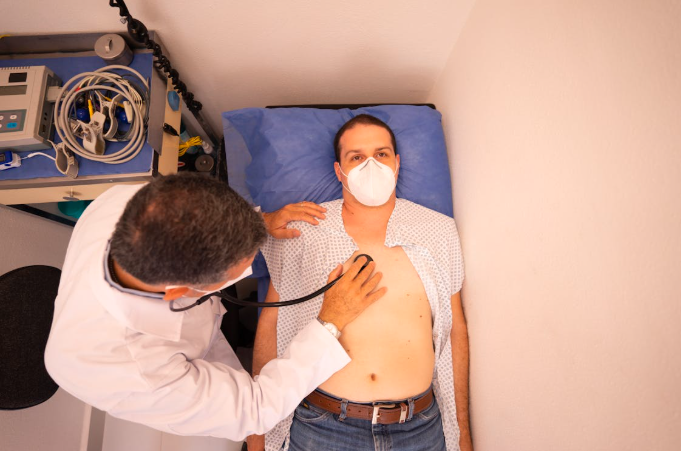
A Cardiologist Explains Medication Risks Older Adults Should Know
As people age, medications often become part of daily life. Treatments for blood pressure, diabetes, arthritis, heart disease, and sleep problems can help older adults stay healthy and active. But taking multiple medications also increases the risk of side effects, drug interactions, and complications that may go unnoticed until they become serious.
Cardiologists frequently see how medications affect the heart, circulation, kidneys, and overall health in older adults. Understanding these risks can help seniors and caregivers make safer choices and avoid preventable health problems.
Why Medication Risks Increase With Age
The body processes medications differently over time. Aging changes how drugs are absorbed, distributed, and removed from the body. The liver and kidneys may work more slowly, causing medications to remain in the system longer than expected.
Older adults are also more likely to:
- Take several medications at once
- See multiple doctors
- Use over-the-counter products regularly
- Have chronic medical conditions
- Experience balance or memory problems
These factors raise the chance of harmful interactions or incorrect dosing.
Common Medication Risks Older Adults Should Watch For
1. Dangerous Drug Interactions
Many older adults take prescriptions from different specialists. While each medication may be helpful individually, certain combinations can create serious problems.
For example:
- Blood thinners combined with pain relievers may increase bleeding risk
- Some heart medications can interact with antibiotics
- Sleep medications mixed with anxiety drugs may cause severe drowsiness
Even vitamins and herbal supplements can interfere with prescription medications.
Keeping an updated medication list and sharing it with every healthcare provider can reduce these risks.
2. Increased Risk of Falls
Falls are one of the leading causes of injury in seniors, and medications are often a contributing factor.
Drugs that may increase fall risk include:
- Sleeping pills
- Sedatives
- Blood pressure medications
- Certain antidepressants
- Muscle relaxers
These medications can cause dizziness, confusion, low blood pressure, or poor coordination. A simple medication adjustment may sometimes reduce fall risk significantly.
3. Memory and Confusion Problems
Some medications can affect thinking and memory, especially in older adults.
Common culprits include:
- Certain allergy medications
- Strong pain medications
- Sleep aids
- Anti-anxiety drugs
Symptoms may include:
- Forgetfulness
- Confusion
- Trouble concentrating
- Mood changes
In some cases, medication side effects may be mistaken for dementia.
4. Kidney and Liver Stress
The kidneys and liver help remove medications from the body. When these organs are under strain, drugs can build up to unsafe levels.
Older adults with kidney disease or liver problems may need lower doses or alternative treatments. Regular blood tests can help monitor organ function and medication safety.
5. Blood Pressure Changes
Some medications can lower blood pressure too much, especially when standing up quickly. This condition, known as orthostatic hypotension, may cause:
- Lightheadedness
- Fainting
- Blurred vision
- Falls
Heart medications, dehydration, and certain antidepressants may contribute to this issue.
6. Bleeding Risks
Blood thinners are commonly prescribed to prevent strokes and heart attacks. While they can be lifesaving, they also increase the risk of internal bleeding.
Warning signs include:
- Unusual bruising
- Blood in urine or stool
- Severe headaches
- Persistent nosebleeds
Older adults taking blood thinners should always follow dosing instructions carefully and attend regular checkups.
7. Medication Duplication
Sometimes different medications contain similar ingredients. This can happen when someone takes both prescription and over-the-counter products without realizing they overlap.
For example:
- Cold medicines may contain hidden pain relievers
- Multiple medications may include acetaminophen
- Similar blood pressure medications may accidentally be prescribed together
Medication duplication can lead to overdose or dangerous side effects.
How Older Adults Can Stay Safer With Medications
Keep a Complete Medication List
Write down:
- Prescription medications
- Over-the-counter drugs
- Vitamins
- Supplements
- Herbal products
Bring the list to every medical appointment.
Use One Pharmacy When Possible
A single pharmacy can help detect harmful drug interactions and maintain accurate medication records.
Never Change Dosages Without Medical Advice
Stopping medications suddenly or changing doses without guidance may cause serious complications, especially with heart medications or blood pressure treatments.
Schedule Regular Medication Reviews
Doctors and pharmacists can review medications periodically to determine whether:
- Certain drugs are no longer needed
- Dosages should be adjusted
- Safer alternatives exist
Medication reviews are especially important after hospital stays or new diagnoses.
Watch for New Symptoms
New dizziness, fatigue, confusion, swelling, or stomach problems may be related to medications rather than aging itself.
Report unusual symptoms promptly to a healthcare provider.
The Importance of Communication
Many older adults hesitate to discuss side effects because they assume symptoms are simply part of aging. However, medication-related problems are common and often manageable.
Open communication with healthcare providers can improve safety and quality of life. Asking questions about risks, side effects, and alternatives is an important part of staying healthy.
Final Thoughts
Medications can play a major role in helping older adults manage chronic health conditions and maintain independence. However, they also require careful monitoring and regular review.
Understanding common medication risks — including falls, bleeding, confusion, and drug interactions — can help seniors and caregivers make informed decisions. With proper medical guidance and attention to warning signs, many medication-related complications can be prevented.