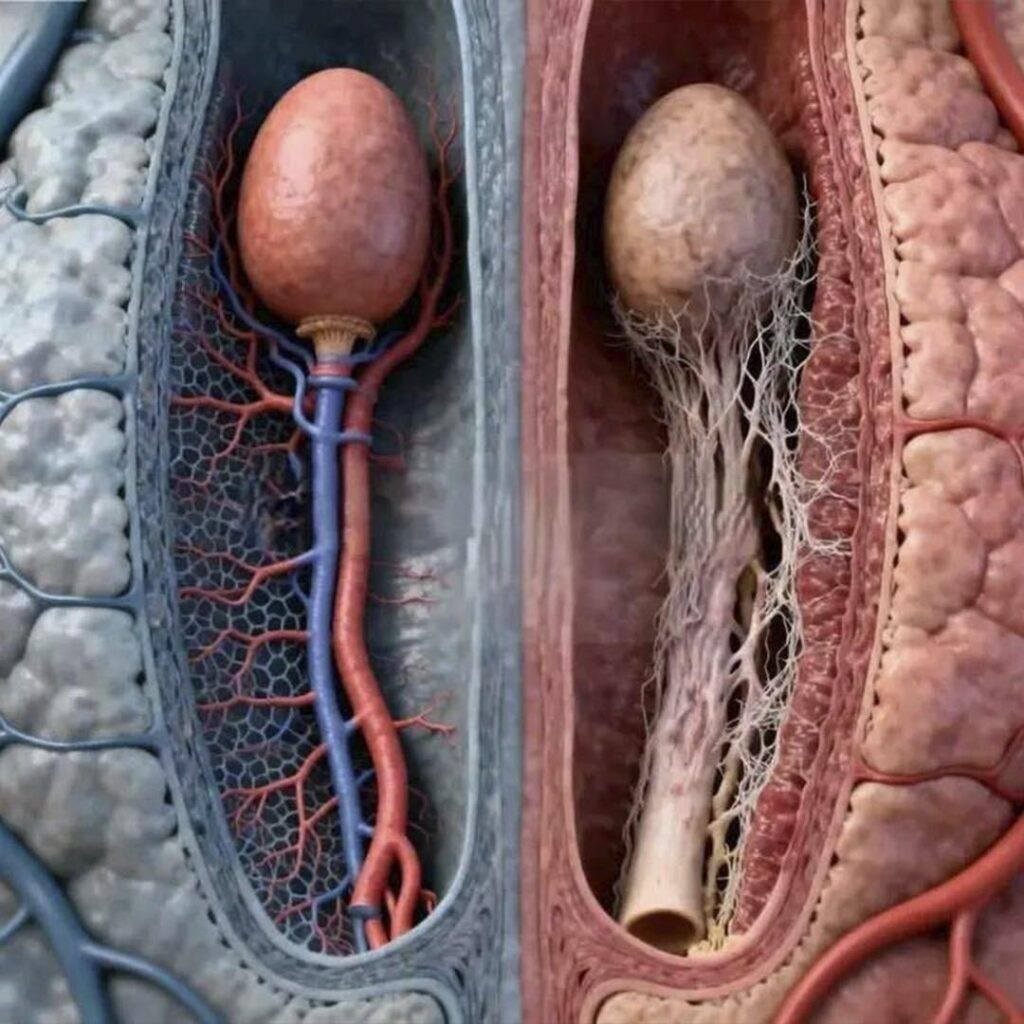
A Simple Explanation of Men’s Vascular Health
Men’s health is often discussed in terms of fitness, testosterone, or heart disease, but one important topic is frequently overlooked: vascular health. Understanding how blood vessels work — and how they affect the body — can help men stay healthier, more energetic, and more confident as they age.
This guide explains men’s vascular health in simple terms, including why it matters, common warning signs, risk factors, and practical ways to improve circulation naturally.
What Is Vascular Health?
Vascular health refers to the condition of the body’s blood vessels, including arteries, veins, and tiny capillaries. These vessels carry blood throughout the body, delivering oxygen and nutrients to organs, muscles, and tissues.
When blood vessels are healthy, blood flows smoothly. When they become damaged, narrowed, or blocked, circulation problems can develop. Poor circulation can affect energy levels, heart health, brain function, physical performance, and even sexual wellness.
In short, healthy blood vessels are essential for overall well-being.
Why Vascular Health Matters for Men
Men are more likely to develop certain vascular conditions earlier in life compared to women. Lifestyle habits, stress, smoking, poor diet, and lack of exercise can all increase the risk of circulation problems.
Healthy blood flow supports:
- Heart function
- Brain performance
- Muscle recovery
- Physical endurance
- Healthy blood pressure
- Sexual health
- Energy and stamina
When circulation becomes poor, many body systems can suffer.
How Blood Vessels Work
The vascular system acts like a transportation network inside the body.
Arteries
Arteries carry oxygen-rich blood away from the heart to the rest of the body.
Veins
Veins return oxygen-poor blood back to the heart.
Capillaries
These tiny vessels connect arteries and veins, allowing oxygen and nutrients to enter tissues.
Healthy vessels are flexible and smooth inside, allowing blood to move freely. Over time, unhealthy habits can cause plaque buildup, inflammation, or stiffness in the arteries, making circulation less efficient.
Common Signs of Poor Vascular Health in Men
Circulation problems often develop slowly. Many men ignore early symptoms until they become more serious.
Some common warning signs include:
Fatigue
Poor blood flow may reduce oxygen delivery to muscles and organs, leading to low energy.
Cold Hands or Feet
Reduced circulation can make extremities feel unusually cold.
High Blood Pressure
Narrowed arteries force the heart to work harder.
Leg Pain While Walking
Pain or cramping in the legs during activity may signal restricted blood flow.
Swelling in the Legs
Weak veins can cause fluid buildup in the lower body.
Erectile Difficulties
Healthy blood flow plays a major role in sexual function. Circulation issues can sometimes contribute to erectile problems.
Slow Healing
Cuts or wounds that heal slowly may indicate poor circulation.
If symptoms persist, it is important to speak with a healthcare professional.
Major Risk Factors for Vascular Problems
Several lifestyle and health factors can damage blood vessels over time.
Smoking
Smoking is one of the leading causes of vascular damage. Chemicals in cigarettes harm artery walls and reduce blood flow.
Poor Diet
Diets high in processed foods, sugar, unhealthy fats, and excess salt may contribute to plaque buildup and high blood pressure.
Lack of Exercise
Physical inactivity weakens circulation and increases the risk of obesity and cardiovascular disease.
Obesity
Excess body weight places strain on the heart and blood vessels.
Diabetes
High blood sugar can damage blood vessels and nerves over time.
Stress
Chronic stress may increase blood pressure and inflammation.
High Cholesterol
Too much LDL (“bad”) cholesterol can contribute to artery blockage.
Aging
As men grow older, blood vessels naturally lose some flexibility. Healthy habits become even more important with age.
The Link Between Heart Health and Vascular Health
The heart and blood vessels work together as one system. If arteries become narrow or blocked, the heart must pump harder to move blood through the body.
This increases the risk of:
- Heart attack
- Stroke
- Peripheral artery disease
- Kidney problems
- Erectile dysfunction
Protecting vascular health often helps protect heart health at the same time.
How Exercise Improves Blood Flow
Regular movement is one of the best ways to support healthy circulation.
Exercise helps:
- Strengthen the heart
- Improve oxygen delivery
- Lower blood pressure
- Support healthy weight
- Reduce stress
- Improve blood vessel flexibility
Good options include:
- Walking
- Cycling
- Swimming
- Jogging
- Strength training
- Stretching routines
Even 30 minutes of moderate activity most days can make a significant difference.
Foods That Support Vascular Health
Nutrition plays a major role in maintaining healthy blood vessels.
Leafy Greens
Spinach, kale, and arugula contain nitrates that may support circulation.
Berries
Rich in antioxidants that help reduce inflammation.
Fatty Fish
Salmon and sardines provide omega-3 fatty acids that support heart health.
Nuts and Seeds
Contain healthy fats and nutrients beneficial for blood vessels.
Whole Grains
Help support healthy cholesterol levels.
Fruits and Vegetables
Provide vitamins, minerals, and fiber important for circulation.
Water
Proper hydration supports healthy blood flow.
Reducing processed foods, sugary drinks, and excessive alcohol may also improve vascular function.
The Role of Sleep in Men’s Vascular Health
Poor sleep can negatively affect circulation and heart health.
Lack of sleep may contribute to:
- High blood pressure
- Weight gain
- Increased stress hormones
- Inflammation
- Reduced energy
Most adults benefit from 7–9 hours of quality sleep each night.
Creating a consistent sleep schedule and limiting screen time before bed can help improve sleep quality.
Stress and Blood Vessel Health
Stress affects both mental and physical health. During stressful situations, the body releases hormones that temporarily raise heart rate and blood pressure.
Long-term stress may contribute to vascular strain and inflammation.
Healthy stress-management habits include:
- Deep breathing
- Physical activity
- Meditation
- Spending time outdoors
- Social connection
- Relaxing hobbies
Managing stress consistently can support healthier circulation over time.
Can Vascular Health Affect Sexual Wellness?
Yes. Healthy circulation is closely connected to sexual function in men.
Blood flow plays a major role in physical arousal and performance. In some cases, vascular issues may contribute to erectile difficulties.
Because blood vessels in this area are smaller than those near the heart, circulation problems may sometimes appear here earlier.
This is one reason doctors often encourage men not to ignore persistent sexual health concerns.
When Should Men See a Doctor?
It is important to seek medical advice if symptoms such as chest pain, severe leg pain, dizziness, numbness, or ongoing erectile problems occur.
Routine checkups are especially important for men with:
- High blood pressure
- Diabetes
- High cholesterol
- Family history of heart disease
- Smoking history
- Obesity
Early detection can help prevent more serious complications later.
Simple Daily Habits for Better Vascular Health
Improving circulation does not always require major lifestyle changes. Small daily habits can add up over time.
Walk More
Regular movement supports blood flow.
Eat More Whole Foods
Focus on nutrient-rich meals instead of heavily processed foods.
Stay Hydrated
Proper hydration helps circulation.
Quit Smoking
Stopping smoking can improve vascular health at almost any age.
Manage Stress
Relaxation techniques may help lower blood pressure.
Sleep Consistently
Rest is essential for recovery and circulation.
Maintain a Healthy Weight
Even moderate weight loss may improve cardiovascular function.
Final Thoughts
Men’s vascular health affects much more than the heart. Healthy blood vessels support energy, physical performance, mental function, and overall quality of life.
The good news is that many circulation problems are influenced by everyday habits. Regular exercise, balanced nutrition, quality sleep, stress management, and routine medical care can all help support healthier blood flow.
Understanding vascular health is an important step toward long-term wellness. Small improvements made today may help protect the body for years to come.