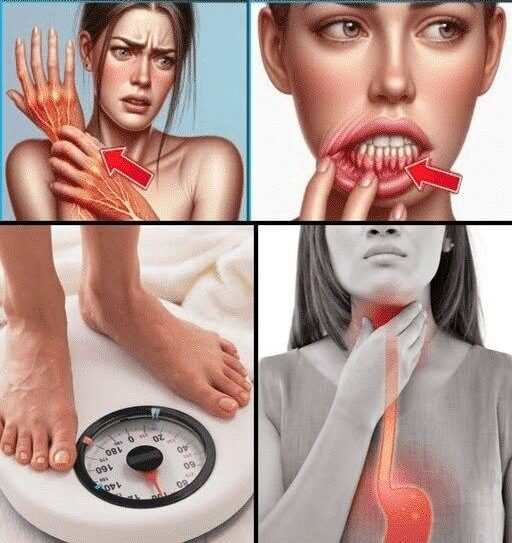
💊 12 Possible Side Effects of Amlodipine You Should Be Aware Of
Amlodipine is a commonly prescribed medication used to treat high blood pressure and certain heart conditions. It works by relaxing blood vessels, allowing blood to flow more easily.
For many people, it is safe and effective. However, like all medications, it may cause side effects—some mild and temporary, others less common but important to recognize.
This article outlines 12 possible side effects of amlodipine, what they mean, and when to seek medical advice.
⚠️ Disclaimer: Do not stop or adjust your medication without consulting a healthcare professional.
🧠 How Amlodipine Works
Amlodipine belongs to a group of drugs called calcium channel blockers. It helps:
- Lower blood pressure
- Improve blood flow
- Reduce strain on the heart
👉 Because it affects blood vessels, some side effects are related to circulation changes.
⚠️ 12 Possible Side Effects
🦶 1. Swelling of Feet and Ankles (Edema)
One of the most common side effects.
- Fluid buildup in lower legs
- Shoes may feel tight
👉 This happens due to changes in blood vessel pressure.
😴 2. Fatigue or Tiredness
Some people may feel:
- Low energy
- General weakness
👉 Often improves as the body adjusts.
🤕 3. Dizziness or Lightheadedness
Lower blood pressure can sometimes cause:
- Dizziness when standing up
- Feeling faint
❤️ 4. Flushing
A warm or red feeling in the face or skin may occur due to widened blood vessels.
🫀 5. Palpitations
You may notice:
- Awareness of your heartbeat
- Irregular or fast heart rhythm
👉 Usually mild, but should be monitored.
🤢 6. Nausea
Digestive discomfort can include:
- Mild nausea
- Upset stomach
🧠 7. Headaches
Headaches may occur, especially when starting the medication.
🦵 8. Muscle Cramps
Some people experience:
- Leg cramps
- Muscle discomfort
🩹 9. Skin Reactions
Less common but possible:
- Rash
- Itching
🦷 10. Gum Swelling (Gingival Hyperplasia)
In rare cases:
- Gums may become swollen or tender
👉 Good oral hygiene can help reduce this risk.
😮💨 11. Shortness of Breath
Although uncommon, breathing difficulty should always be taken seriously.
⚠️ 12. Low Blood Pressure (Hypotension)
If blood pressure drops too much, symptoms may include:
- Dizziness
- Fainting
- Blurred vision
🧠 Who Is More Likely to Experience Side Effects?
Side effects may be more noticeable in:
- Older adults
- People taking multiple medications
- Those starting a new dose
- Individuals sensitive to blood pressure changes
⚠️ When to Seek Medical Advice
Contact a doctor if you experience:
- Severe swelling
- Fainting or persistent dizziness
- Chest pain
- Difficulty breathing
- Rapid or irregular heartbeat
👉 These may require medical evaluation.
🩺 Tips to Manage Mild Side Effects
- Take medication at the same time daily
- Rise slowly from sitting or lying positions
- Stay hydrated
- Monitor your blood pressure regularly
- Maintain a healthy lifestyle
❓ Frequently Asked Questions
Are these side effects common?
Most people tolerate amlodipine well. Mild side effects are more common than serious ones.
Does swelling go away?
In some cases, it may improve over time or with dosage adjustment.
Can I stop taking amlodipine if I feel better?
No. Always consult your doctor before stopping.
Is long-term use safe?
Yes, when monitored by a healthcare provider.
Can lifestyle changes reduce side effects?
Yes, healthy habits can support better tolerance and overall results.
🔎 SEO Keywords Included
- amlodipine side effects
- common side effects of amlodipine
- blood pressure medication side effects
- swelling from amlodipine
- is amlodipine safe
✅ Final Thoughts
Amlodipine is a widely used and effective medication for managing blood pressure and heart health. While side effects can occur, most are mild and manageable.
Being aware of potential reactions helps you stay informed and respond appropriately. If anything feels unusual or concerning, it’s always best to seek medical advice rather than ignore the symptoms.
Your health and safety come first—stay informed and stay proactive.