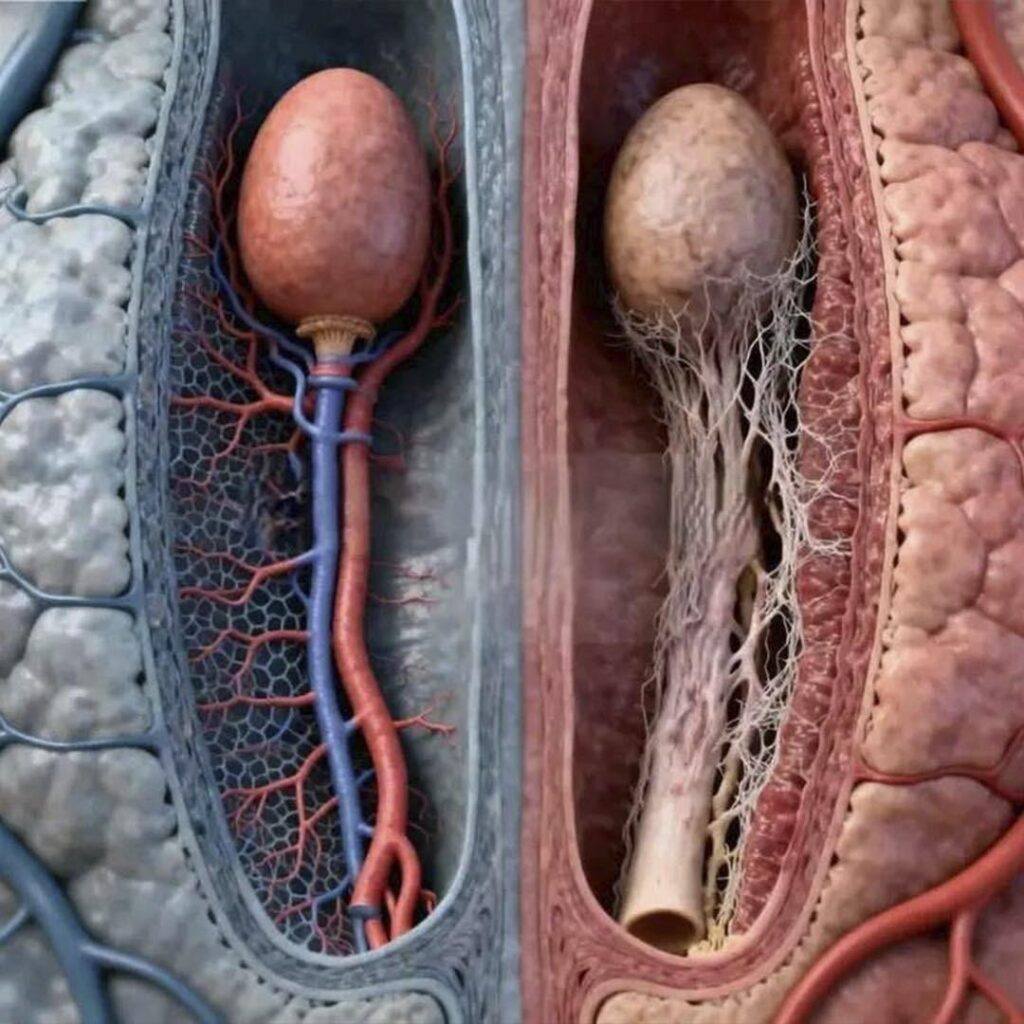
Atherosclerosis Explained: How Arterial Plaque Builds Up and Affects Blood Flow
Atherosclerosis is one of the most common yet often overlooked health conditions affecting people worldwide. It develops slowly over many years, usually without noticeable symptoms in the early stages. By the time warning signs appear, the arteries may already be significantly narrowed.
Understanding how arterial plaque forms—and how it affects blood flow—can help you take early action to protect your heart, brain, and overall health.
🧠 What Is Atherosclerosis?
Atherosclerosis is a condition in which arteries become narrowed and stiff due to the buildup of plaque along their inner walls.
Arteries play a vital role in the body by carrying oxygen-rich blood from the heart to tissues and organs. When plaque accumulates inside these vessels, it disrupts normal circulation and increases the risk of serious health problems.
Unlike sudden illnesses, atherosclerosis develops gradually. Many people live with it for years without realizing it.
🧬 What Is Arterial Plaque Made Of?
Plaque is not just fat—it’s a complex substance that forms over time. It typically contains:
- Cholesterol (especially LDL or “bad” cholesterol)
- Fatty substances
- Calcium deposits
- Cellular waste products
- Inflammatory cells
As these materials collect, they stick to artery walls and slowly harden, forming a thick layer that reduces the space available for blood flow.
🔍 How Plaque Affects Blood Flow
🧱 1. Narrowing of Arteries
As plaque builds up, the inner diameter of the artery becomes smaller. This means:
- Less blood can pass through
- Oxygen delivery to tissues decreases
Over time, this reduced flow can affect organ function, especially in the heart and brain.
🪨 2. Hardening of Arteries
Healthy arteries are flexible and can expand as blood flows through them. However, plaque buildup causes arteries to stiffen.
This loss of flexibility can:
- Increase blood pressure
- Force the heart to work harder
- Reduce the efficiency of circulation
⚠️ 3. Increased Risk of Blockage
In advanced stages, plaque can significantly restrict blood flow. Even more concerning, plaque can rupture.
When this happens:
- The body forms a blood clot at the site
- The clot may partially or completely block the artery
This can lead to sudden and life-threatening events.
❤️ 4. Reduced Oxygen Supply
When blood flow is limited, organs and tissues may not receive enough oxygen. This can cause symptoms depending on the affected area.
For example:
- Chest discomfort may occur if the heart is affected
- Leg pain during walking may develop if circulation to the legs is reduced
- Neurological symptoms may appear if blood flow to the brain is affected
⚠️ Potential Complications of Atherosclerosis
If left unmanaged, atherosclerosis can lead to serious health conditions, including:
- Coronary artery disease
- Heart attack
- Stroke
- Peripheral artery disease
These conditions occur when blood flow becomes critically reduced or completely blocked.
🧠 What Causes Atherosclerosis?
Atherosclerosis is influenced by a combination of lifestyle, medical, and genetic factors.
Common risk factors include:
- High LDL (“bad”) cholesterol
- Smoking
- High blood pressure
- Diabetes
- Obesity
- Lack of physical activity
- Diets high in processed or fatty foods
Family history and genetics can also increase the likelihood of developing this condition.
🧩 Early vs. Advanced Symptoms
🟢 Early Stage
In the early stages, atherosclerosis usually does not cause noticeable symptoms. This is why regular health checkups are important.
🔴 Advanced Stages
Symptoms often depend on which arteries are affected:
- Heart: Chest discomfort or pressure
- Brain: Weakness, numbness, or difficulty speaking
- Legs: Pain while walking (often relieved by rest)
Because symptoms can appear suddenly, early prevention is key.
🩺 How Is Atherosclerosis Diagnosed?
Healthcare providers use several methods to detect and evaluate atherosclerosis:
- Blood tests to measure cholesterol levels
- Imaging tests such as ultrasound or CT scans
- Stress tests to assess heart function
- Angiography to visualize blood flow in arteries
Early diagnosis can significantly improve outcomes.
🏃 How to Reduce Your Risk
✔️ Lifestyle Changes
Simple daily habits can make a major difference:
- Eat a balanced, heart-healthy diet
- Engage in regular physical activity
- Quit smoking
- Maintain a healthy weight
- Manage stress effectively
💊 Medical Treatment
In some cases, medication may be recommended to manage risk factors:
- Cholesterol-lowering medications
- Blood pressure medications
- Blood-thinning drugs
Treatment plans are typically personalized based on individual health needs.
🧠 Can Arterial Plaque Be Reversed?
While complete reversal may not always be possible, research shows that:
- Plaque progression can be slowed
- In some cases, small reductions may occur
- Stabilizing plaque can significantly lower the risk of complications
The earlier lifestyle changes and treatment begin, the better the long-term results.
❓ Frequently Asked Questions
Is atherosclerosis the same as heart disease?
Atherosclerosis is a major cause of heart disease, but it can also affect other parts of the body.
Can young people develop it?
Yes. Plaque buildup can begin early in life, even without symptoms.
Is it preventable?
Many risk factors are controllable, which means prevention is possible in many cases.
Does exercise really help?
Yes. Regular physical activity improves circulation, supports heart health, and helps manage weight.
Can symptoms appear suddenly?
Yes. In some cases, a plaque rupture can cause a sudden blockage, leading to serious complications.
✅ Final Thoughts
Atherosclerosis is a gradual but serious condition that affects how blood flows through the body. Because it often develops silently, awareness is essential.
By understanding how arterial plaque builds up and affects circulation, you can take proactive steps to protect your health. Consistent lifestyle choices—combined with proper medical care when needed—can greatly reduce your risk over time.
Disclaimer: This article is for informational purposes only and does not replace professional medical advice. Always consult a qualified healthcare provider for diagnosis, treatment, or concerns about your health.