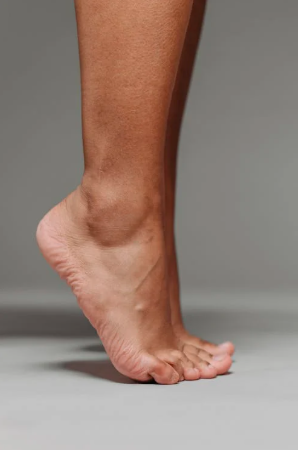
🦶 Foot Swelling Explained: Normal vs. Warning Signs
Foot swelling—also known as edema—is something many people experience at some point. It can happen after a long day of standing, during hot weather, or even after travel. In many cases, it’s harmless and temporary.
However, swelling in the feet can sometimes signal an underlying health issue. Knowing the difference between normal swelling and warning signs is important for protecting your health.
🧠 What Causes Foot Swelling?
Swelling occurs when fluid builds up in the tissues of the feet or ankles. This can happen for a variety of reasons, ranging from everyday factors to medical conditions.
✅ Common (Usually Harmless) Causes
🚶 1. Standing or Sitting Too Long
Remaining in one position for extended periods can slow circulation.
- Blood and fluid collect in the lower legs
- Swelling often improves with movement or elevation
🌡️ 2. Hot Weather
Heat causes blood vessels to expand, which can lead to fluid leaking into surrounding tissues.
👉 This type of swelling is usually mild and temporary.
🤰 3. Pregnancy
Swelling is very common during pregnancy due to:
- Increased blood volume
- Pressure on veins
- Hormonal changes
👉 Mild swelling is normal, especially in later stages.
🧂 4. High Salt Intake
Too much sodium can cause the body to retain water, leading to puffiness in the feet and ankles.
🧍 5. Minor Injuries
A sprain or strain can cause localized swelling as part of the body’s natural healing process.
⚠️ When Foot Swelling May Be a Warning Sign
Sometimes swelling is not just a simple issue. It may be linked to underlying health conditions.
❤️ 1. Heart Failure
When the heart doesn’t pump effectively:
- Fluid can accumulate in the legs and feet
- Swelling may worsen throughout the day
👉 Often accompanied by fatigue or shortness of breath.
🩺 2. Chronic Kidney Disease
The kidneys help regulate fluid balance.
- When they don’t function properly, fluid builds up
- Swelling may appear in feet, ankles, and around the eyes
🫁 3. Liver Disease
Liver problems can lead to fluid retention due to changes in protein levels in the blood.
🦠 4. Deep Vein Thrombosis (DVT)
A blood clot in a deep vein can cause:
- Sudden swelling in one leg
- Pain or tenderness
- Warmth or redness
👉 This is a medical emergency and requires immediate attention.
🦵 5. Venous Insufficiency
When veins struggle to return blood to the heart:
- Blood pools in the legs
- Chronic swelling may develop
💊 6. Medication Side Effects
Some medications can cause fluid retention, including:
- Blood pressure drugs
- Hormonal treatments
- Anti-inflammatory medications
🔍 How to Tell Normal vs. Concerning Swelling
✔️ Likely Normal
- Occurs after long standing or travel
- Improves with rest or elevation
- Affects both feet evenly
- Mild and not painful
⚠️ Possibly Serious
- Sudden or severe swelling
- Swelling in only one foot
- Pain, redness, or warmth
- Shortness of breath
- Swelling that doesn’t improve
🏠 Simple Ways to Reduce Mild Swelling
If your swelling is mild and temporary, these steps may help:
- Elevate your feet above heart level
- Stay active and avoid long periods of sitting
- Reduce salt intake
- Drink enough water
- Wear comfortable shoes
- Consider compression socks (if appropriate)
🩺 When to See a Doctor
Seek medical advice if you notice:
- Persistent swelling lasting several days
- Sudden swelling without clear cause
- Swelling with pain or discoloration
- Breathing difficulties
- Swelling during pregnancy with headaches or vision changes
👉 Early evaluation can help rule out serious conditions.
❓ Frequently Asked Questions
Is foot swelling always a problem?
No. It’s often harmless, especially if it’s temporary and related to lifestyle factors.
Why does swelling get worse at night?
Gravity causes fluid to collect in the lower body during the day.
Can dehydration cause swelling?
Yes, in some cases the body may retain fluid when dehydrated.
Are both feet swelling a good sign?
Swelling in both feet is often less concerning than swelling in one—but context matters.
Do compression socks help?
They can improve circulation and reduce swelling, especially during travel or long periods of standing.
✅ Final Thoughts
Foot swelling is common and often harmless, especially when linked to daily habits like standing, heat, or diet. However, it’s important to stay aware of changes in your body.
Understanding the difference between normal swelling and warning signs can help you respond appropriately—and seek medical advice when needed.
When in doubt, it’s always better to check. Your health is worth the extra attention.