
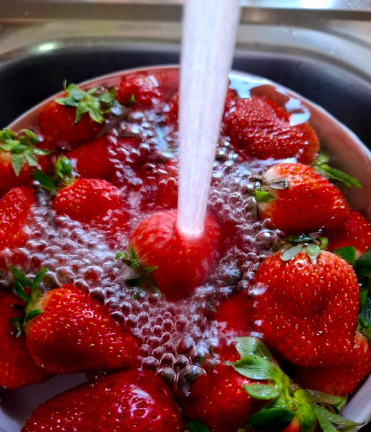
I Soaked My Berries in Salt Water: Here’s What I Found
I Soaked My Berries in Salt Water: Here’s What Happened and What You Should Know
Fresh berries are among the most popular fruits because they are colorful, flavorful, and packed with nutrients. Whether added to smoothies, oatmeal, yogurt, salads, or eaten as a quick snack, berries are a simple way to include more fruit in your diet.
Recently, a popular food trend has gained attention: soaking berries in salt water before eating them. Many people claim this method helps remove dirt, insects, or unwanted residues from the fruit. But does soaking berries in salt water really make a difference?
This article explores what happens when you soak berries in salt water, whether the method is useful, how to do it properly, and the best ways to wash berries before eating.
Why Do People Soak Berries in Salt Water?
The idea behind salt water soaking is simple. Salt water is believed by some people to help loosen:
- Dirt and debris
- Small insects or larvae that may be hidden on the surface
- Some unwanted residues
Because berries often have delicate surfaces and small crevices, some people prefer giving them an extra cleaning step before consumption.
However, it is important to understand that salt water soaking is not a guaranteed method for removing all contaminants or making food completely free of microorganisms.
What Happened When I Soaked Berries in Salt Water?
When berries are placed in salt water, several things may happen.
1. Surface Dirt May Loosen
The salt water can help loosen particles stuck to the outside of berries, especially when the fruit has not been washed yet.
After soaking, you may notice:
- Cloudy water
- Small pieces of debris
- Residue floating in the bowl
This does not necessarily mean the berries were unsafe—it may simply be surface material being removed.
2. Tiny Insects May Appear
Some people report seeing tiny insects or small organisms after soaking berries.
This can happen because berries grow outdoors and may naturally come into contact with insects. A salt water soak may encourage some hidden insects to leave the fruit.
However, not every berry batch will have visible insects, and their absence does not mean the soaking process failed.
3. The Texture May Change
Berries are delicate fruits with high water content.
If soaked for too long, they may become:
- Softer
- Waterlogged
- Less flavorful
- More likely to spoil quickly
A short rinse or brief soak is usually better than leaving berries in water for an extended period.
How to Properly Soak Berries in Salt Water
If you choose to use this method, follow these steps:
Step 1: Prepare the Solution
Mix:
- 4 cups of cool water
- 1 teaspoon of salt
Stir until the salt dissolves.
A stronger solution is not necessarily better and may affect the taste of the fruit.
Step 2: Add the Berries
Place berries into the salt water.
Let them soak for about:
5–10 minutes
Avoid soaking for a long time, especially with soft berries like raspberries and strawberries.
Step 3: Rinse Thoroughly
After soaking:
- Drain the salt water.
- Rinse berries under cool running water.
- Gently dry them with a clean towel or paper towel.
Removing excess moisture helps berries stay fresh longer.
Does Salt Water Remove Pesticides?
This is one of the most common questions about soaking produce.
Salt water may remove some surface dirt and residues, but it is not a guaranteed method for removing all pesticide residues.
The most reliable general practice is:
- Wash fruits under running water.
- Rub firm fruits gently when washing.
- Avoid using soaps or household cleaners.
- Buy organic produce if it fits your preferences and budget.
Washing produce helps remove surface contaminants, but no home method can eliminate every possible residue.
The Best Way to Wash Berries
For everyday berry cleaning, a simple approach works well.
Step 1: Wash Before Eating
Avoid washing berries too far in advance if possible.
Extra moisture can speed up spoilage.
Step 2: Use Cool Running Water
Place berries in a colander and rinse gently.
Step 3: Handle Carefully
Berries bruise easily, so avoid squeezing or rubbing aggressively.
Step 4: Dry Before Storing
Moisture encourages mold growth.
Use a clean towel to gently dry berries before placing them in the refrigerator.
Should You Use Vinegar Instead of Salt Water?
Some people use vinegar solutions to clean berries.
A common method involves mixing vinegar with water to help reduce surface microbes. However, the most important step remains thorough rinsing afterward to avoid affecting taste.
Neither vinegar nor salt water should be considered a substitute for proper food handling and refrigeration.
Benefits of Eating Clean, Fresh Berries
Whether you wash them with plain water or use a brief soaking method, berries remain a nutritious food choice.
Berries provide:
Antioxidants
Many berries contain plant compounds that help protect cells from oxidative stress.
Fiber
Fiber supports digestive health and helps promote feelings of fullness.
Vitamins and Minerals
Berries can contribute nutrients such as:
- Vitamin C
- Manganese
- Folate (depending on the variety)
Natural Plant Compounds
Colorful berries contain compounds that contribute to their flavor, color, and nutritional value.
Common Berry Washing Mistakes
Washing Too Early
Washing berries days before eating can cause them to spoil faster.
Using Soap
Household soaps and detergents are not designed for food consumption and may leave unwanted residues.
Soaking Too Long
Extended soaking can damage the texture and flavor of delicate fruits.
Storing Wet Berries
Extra moisture encourages mold growth.
Tips to Keep Berries Fresh Longer
Try these simple storage habits:
- Keep berries refrigerated.
- Remove damaged berries quickly.
- Store them in a breathable container.
- Avoid crushing them under heavy foods.
- Wash only what you plan to eat soon.
For longer storage, berries can also be frozen after washing and drying.
Frequently Asked Questions
Is soaking berries in salt water necessary?
No. Many people simply rinse berries under cool running water before eating them. Salt water soaking is an optional extra step some people prefer.
How long should berries soak in salt water?
A short soak of about 5–10 minutes is generally enough. Longer soaking may affect texture and freshness.
Does salt water kill all bacteria on berries?
No. Salt water may help remove some surface material, but it should not be considered a complete sanitizing method.
Should I wash berries before storing them?
It depends on how quickly you plan to eat them. If washing before storage, make sure they are dried well to reduce spoilage.
Final Thoughts
Soaking berries in salt water can be an interesting extra cleaning step that may help remove surface dirt and encourage small insects to leave the fruit. However, it is not a magical cleaning method and does not replace proper washing practices.
The simplest and most effective approach is to rinse berries gently under cool running water, handle them carefully, and store them properly.
Fresh berries are already one of nature’s most nutritious snacks. With good cleaning habits, you can enjoy their flavor, texture, and health benefits with confidence.
